Last updated October 15, 2026
ADU Cost Breakdown: The Sacramento Homeowner’s Reference for 2026
The most dangerous number in any ADU cost estimate is the “soft cost” line. That vague category is where legitimate contractors bundle permitting and design fees, and where less scrupulous operators pad margin by $15,000 or more with zero itemization. Our Complete Guide to ADU in Sacramento fixes that problem. We’re going line by line through every cost category a Sacramento homeowner will actually face in 2026, with real dollar ranges, so you can walk into any contractor conversation knowing exactly where your money goes and which numbers deserve a second look.
Quick Answer
A detached ADU in Sacramento in 2026 runs $210,000 to $420,000 all-in for a typical 400 to 750 square foot unit, while garage conversions land between $90,000 and $180,000. The two biggest cost drivers are site conditions (soil, access, utility distance) and the level of finish you choose, not the square footage itself. Sacramento’s impact fee exemption for ADUs under 750 square feet can save you $3,000 to $8,000, but crossing that threshold triggers the full fee schedule.
Table of Contents
- Hard Costs: Where the Building Money Goes
- Soft Costs: Permitting, Design, and Fees in Sacramento
- Fixed vs. Variable: What You Can Actually Control
- The 749 vs. 751 Square Foot Question
- A Realistic Contingency Framework for Sacramento
- Prefab and Modular: Do They Actually Save Money?
- Garage Conversion Cost Reality Check
- Common Mistakes to Avoid
Hard Costs: Where the Building Money Goes
Hard costs are the physical materials and labor that become your ADU. In Sacramento, these typically represent 65 to 75 percent of total project cost. Here’s what each line looks like in 2026 dollars for a standard 500 to 600 square foot detached unit, based on the bids we’ve prepared and the jobs we’ve walked through since the 2023 code cycle settled in.
Foundation: Slab vs. Pier
Sacramento’s expansive clay soils in pockets of East Sacramento, Land Park, and parts of Natomas mean foundation choice is not just a line item, it’s a geology decision. A standard slab-on-grade foundation for a 500 to 600 square foot ADU runs $14,000 to $22,000, including excavation, formwork, rebar, and concrete. Pier and grade beam foundations, often required when your lot slopes or when the building department flags soil conditions, run $22,000 to $38,000. In our experience, the neighborhoods along the American River Parkway floodplain sometimes require engineered fill or deeper footings, which pushes foundation costs toward the top of that range before a single wall goes up.
Framing and Structure
Sacramento falls under seismic engineering requirements that make structural framing tighter than what homeowners from other regions expect. For a standard wood-framed ADU, expect $35,000 to $55,000 for framing labor and materials, including shear wall panels, Simpson ties, and hold-down hardware. If you’re converting a Tuff Shed into habitable space, the framing line drops significantly because the shell already exists, but you’ll spend that money on insulation, drywall, and bringing the structure to residential code. More on that in the garage conversion section.
Roofing
A composition shingle roof on a 500 to 600 square foot ADU runs $8,000 to $14,000 in Sacramento. Metal roofing, which more homeowners are choosing for wildfire resilience and longevity, runs $16,000 to $26,000. Sacramento’s hot, dry summers mean roof ventilation and radiant barrier are not optional extras if you want the unit to stay livable in August. Plan for $2,000 to $4,000 in ventilation and insulation upgrades beyond basic code minimums.
Electrical Work
This is where Sacramento ADU budgets routinely get blown. If your existing panel is 100 amps and you’re adding a 400 to 600 square foot ADU with a mini-split, kitchen appliances, and laundry, you’ll almost certainly need a panel upgrade. A new 200-amp panel with meter relocation runs $4,500 to $8,500 with SMUD coordination. The ADU’s own electrical rough-in and finish work, including subpanel, wiring, outlets, lighting, and appliance circuits, runs $12,000 to $18,000. Electric vehicle charging adds $1,500 to $3,500 depending on circuit length.
Plumbing
Plumbing rough-in for a full bathroom and kitchenette in a detached ADU runs $11,000 to $18,000 in Sacramento. The wildcard is sewer connection. If your ADU can tie into an existing lateral with gravity flow, you’re in good shape. If the main line runs uphill from the ADU site, you’re adding a grinder pump and possibly trenching through your yard, which adds $5,000 to $12,000. The City of Sacramento also requires backflow prevention on the domestic water line in many ADU configurations, a $800 to $1,500 item that never appears in generic cost guides.
HVAC: Mini-Split vs. Ducted
Sacramento’s summer heat is the single biggest determinant of ADU livability. A ductless mini-split system with two indoor heads runs $6,500 to $10,000 installed. A ducted system with a small air handler in a closet or attic runs $9,000 to $14,000. Mini-splits are the default choice for most Sacramento ADUs because they’re efficient, quiet, and don’t eat square footage. If you want a truly integrated feel matching the main house, ducted costs more and requires ceiling or soffit space you may not have. Insulation quality matters more than equipment choice: a mini-split in a poorly insulated ADU will run constantly and never feel right.
Finish Work: Kitchens, Baths, and Flooring
This is the most variable line in the entire budget. A basic but decent kitchenette (stock cabinets, laminate counters, standard appliances) runs $12,000 to $20,000. A full kitchen with custom cabinets, stone counters, and mid-range appliance package runs $22,000 to $38,000. The bathroom runs $8,000 to $16,000 for standard finishes, $18,000 to $30,000 if you want curbless shower, tile walls, and a higher-end vanity. Flooring throughout a 500 to 600 square foot unit runs $4,000 to $9,000 for LVP, $7,000 to $14,000 for engineered wood or tile. Sacramento homeowners building for rental income typically spend toward the low end of finish ranges; homeowners building for aging parents or adult children tend to spend toward the top.
Soft Costs: Permitting, Design, and Fees in Sacramento
Soft costs are the money you spend before anyone swings a hammer and the fees that go to agencies instead of tradespeople. In Sacramento, these typically run 15 to 22 percent of total project cost. Here’s the 2026 breakdown, based on the City of Sacramento fee schedule and the design consultant rates we see in this market.
Sacramento Building Permit Fees by ADU Size
The City of Sacramento calculates building permit fees using a valuation-based formula tied to the estimated construction cost you declare on the permit application. For a 500 square foot ADU, permit fees including building, electrical, plumbing, and mechanical typically run $4,000 to $7,000. For a 749 square foot ADU, expect $5,500 to $9,000. These are the hard checks written to the city, not including plan check fees or third-party services. Plan check adds another $1,500 to $3,500. For a deeper look at navigating these requirements, see our guide to ADU Permits, Codes & Inspections in CA: What You Need to Know. Sacramento’s online permitting portal has improved processing times in recent years, but a complete, well-prepared permit set still matters: incomplete plans can add weeks of back-and-forth and increase plan check fees when resubmissions are required.
Architectural and Design Fees
Custom ADU design from a Sacramento architect or design firm runs $8,000 to $18,000 for plans through permit approval. Design-build firms like Sutton ADU Sacramento typically fold design into the project price when you build with them, but you’ll see the design line item separately in most bid formats. Pre-drawn or stock plans can reduce this to $2,000 to $5,000, but you give up site-specific tailoring and the plans may not match Sacramento’s solar and energy requirements without modification. That modification cost often closes the gap with custom design.
Engineering and Geotechnical Reports
Structural engineering for a standard wood-framed ADU runs $3,000 to $6,000. If Sacramento’s building department requires a geotechnical soil report, which happens more often on lots with older fill or known expansive soil zones near the American River, add $2,500 to $5,000. Title 24 energy compliance calculations, which are mandatory in California, run $500 to $1,200 and are typically handled by the designer or a specialty consultant.
Utility Connection Fees: SMUD and Sacramento Utilities
SMUD service connection fees for a new ADU meter run $1,500 to $3,500 depending on whether you need a new drop, a separate meter, or a subpanel from the main house. Many Sacramento ADU owners choose to share the main house meter to avoid a separate SMUD account and monthly service charge, but this requires sub-metering if you’re renting the unit and want to bill tenants separately. Sacramento sewer connection fees for a new ADU run $1,000 to $3,000 if the city collects a connection charge. Water connection is typically a shared line from the existing service, but the city may require a separate water meter in some configurations, which runs $2,000 to $4,500.
Fixed vs. Variable: What You Can Actually Control
Here’s the truth most cost guides won’t tell you: about 70 percent of your ADU budget is fixed by forces outside your control, and only 30 percent is genuinely variable. Understanding which is which is the difference between an informed homeowner and someone who signs whatever number appears on the bid.
Fixed costs you cannot meaningfully reduce:
- Sacramento permit fees, plan check fees, and utility connection charges (set by the city and SMUD)
- Structural engineering and Title 24 compliance (mandated by California code)
- Foundation work (dictated by Sacramento soil conditions and seismic requirements)
- Electrical and plumbing rough-in (code minimums apply regardless of finish level)
- HVAC capacity (Sacramento’s summer heat sets a floor on system size)
Variable costs where your choices move the number:
- Finish materials: countertops, flooring, tile, fixtures (can swing $15,000 to $40,000)
- Kitchen scope: kitchenette vs. full kitchen with island
- Bathroom configuration: standard tub/shower vs. curbless walk-in with tile walls
- Roofing material: composition vs. metal
- Appliance brands and features
- Interior trim level: basic MDF vs. solid wood, standard doors vs. upgraded
One variable cost worth flagging: homeowner-supplied materials. Buying your own fixtures and appliances online or from big-box stores can trim $4,000 to $8,000 from the budget. But there’s a catch. When a contractor supplies the materials, they warranty the entire installation. When you supply a faucet that leaks or an appliance that fails, you own that problem, and you’ll pay a service call for the contractor to come back. We’ve seen homeowner-supplied fixtures create warranty disputes more often than they create savings. The smart play is to let the contractor supply materials that are hard to swap out (valves, rough-in components) and only self-supply items you can easily replace yourself if they fail.
The 749 vs. 751 Square Foot Question
Sacramento’s ADU impact fee policy creates one of the strangest pricing cliffs in construction. The city waives impact fees for ADUs under 750 square feet, but a unit at 751 square feet triggers the full fee schedule, which typically runs $3,000 to $8,000 depending on the specific fee categories that apply to your property. This creates a real-world scenario where building two square feet smaller saves you thousands of dollars with zero meaningful loss of livable space.
Here’s how the math works in 2026, based on the current fee resolution:
- An ADU at 749 square feet pays no city impact fees beyond standard building permit fees.
- An ADU at 751 square feet owes impact fees calculated on the full unit size.
- The difference: somewhere between $3,000 and $8,000 depending on fee categories.
- Two square feet of living space is roughly $30 to $60 of actual construction cost at typical hard cost rates.
- Net result: paying $3,000 to $8,000 for $30 to $60 of space.
This rule applies to detached ADUs. Attached ADUs and garage conversions follow different fee schedules, and the City of Sacramento updates fee resolutions annually, so verify current numbers before finalizing your square footage. But the principle holds: if you’re designing a detached unit and land at 760 or 780 square feet, it’s worth asking your designer whether trimming to 749 changes anything meaningful about the floor plan. In most cases, a smart floor plan at 749 beats an inefficient plan at 780 square feet with a $5,000 tax attached.
For a deeper look at how ADU builders in Sacramento approach these size decisions, including floor plan strategies that maximize livable space under the fee threshold, that guide covers the design side in detail.
A Realistic Contingency Framework for Sacramento
Generic advice says add 10 to 20 percent contingency to your ADU budget. That’s not helpful. A real contingency plan identifies what actually goes wrong in Sacramento and puts a dollar figure on each risk. Here’s what we’ve seen over nearly two decades building in this city.
What contingency actually needs to cover:
- Soil surprises: $4,000 to $15,000. Sacramento has pockets of undocumented fill, old creek beds, and expansive clay. When the excavator hits something unexpected, the fix is engineered fill or deeper footings. This is the single most common budget overrun in Sacramento ADU construction.
- Utility relocation: $2,000 to $8,000. Existing sewer lines, gas lines, or electrical conduits sometimes sit exactly where your ADU needs to go. Moving them costs money and time.
- Dry rot or termite discovery: $1,500 to $6,000 for garage conversions and attached additions, where the existing structure often conceals damage that only reveals itself during demolition.
- Material price movement: 3 to 5 percent of hard costs. Lumber, concrete, and electrical components still fluctuate. A good bid locks material pricing for a defined window; beyond that, the market sets the price.
- Permit resubmission and plan check delays: $500 to $2,500 in added design or plan check fees if the city requires revisions.
Our recommended contingency structure: allocate 8 percent of total project cost as a genuine contingency line, and understand what it’s for. It’s not a slush fund for the contractor, it’s a buffer for site conditions no one can see until excavation starts. A contractor who proposes zero contingency is either naive or planning to surprise you with change orders later. A contractor who proposes 20 percent is asking you to finance their uncertainty. Eight percent, with a clear written explanation of what triggers a draw from that line, is the honest middle.
If you’re planning a home addition or attached ADU, the contingency framework changes because you’re working with an existing structure. That guide walks through the additional discovery risks tied to your current foundation and roofline.
Prefab and Modular: Do They Actually Save Money?
Prefab ADU companies like Abodu, Cover, and others have gotten significant attention in the Sacramento market, and for good reason: they compress the construction timeline and reduce on-site disruption. But the cost story is more nuanced than the marketing suggests.
A prefab unit from Abodu typically runs $200,000 to $350,000 for the factory-built module plus delivery and installation, excluding site work, foundation, utility connections, and permit fees. When you add Sacramento site work, foundation, and soft costs, a prefab ADU lands in roughly the same cost range as stick-built: $260,000 to $420,000 all-in for a 400 to 600 square foot unit. The savings are in time (often 3 to 6 months shorter than conventional construction) and in reduced uncertainty about on-site labor quality, not in dollars.
Where prefab genuinely helps in Sacramento is on lots with tight access or restrictive construction hours. A factory-built module delivered and set in a day means fewer weeks of trucks, crews, and disruption for your neighbors. That matters in neighborhoods like East Sacramento and Land Park, where narrow lots and homeowner association rules can make a six-month stick-build painful.
Cover builds panelized units that arrive as flat components and assemble on site, which suits Sacramento lots where a full module can’t navigate the setback between house and fence. Dvele focuses on high-performance, health-conscious construction at a premium price point, typically $400,000 and up in Sacramento. The brand that fits your lot and budget depends on access, soil, and what you’re optimizing for: speed, quality predictability, or cost. If you’re weighing prefab against stick-built, Sutton ADU Sacramento’s team has built with all the major product lines and can give you honest line-by-line comparisons.
Garage Conversion Cost Reality Check
Garage conversions are the most frequently underestimated ADU project in Sacramento. The marketing pitch is simple: the structure exists, so you’re saving foundation and framing costs. That’s true, but it’s also where the savings end.
A standard two-car garage conversion in Sacramento runs $90,000 to $180,000 in 2026. Here’s where the money goes, because it’s not where most homeowners expect:
- Foundation retrofit: $8,000 to $22,000. Sacramento garages built before the 1990s often sit on slabs without footings deep enough for residential occupancy. The city requires underpinning or slab thickening before you can convert to living space.
- Framing modifications: $6,000 to $15,000. Garage door openings become wall sections, windows get added, and the roof structure often needs reinforcement to carry ceiling insulation and drywall.
- Electrical service: $6,000 to $12,000. Most garages have one circuit and a light fixture. A habitable ADU needs a subpanel, numerous circuits, and often a main panel upgrade.
- Plumbing: $7,000 to $16,000. Garages almost never have sewer or water lines. You’re trenching from the main house or adding a separate connection, and the distance determines cost.
- Insulation and drywall: $8,000 to $14,000. Garage walls and ceilings are uninsulated. Sacramento code requires full insulation and drywall with a fire barrier on the garage-side wall if any garage space remains.
- Floor leveling: $2,000 to $5,000. Garage slabs slope toward the door for drainage. Living space needs a level floor, which means either raising the low end or grinding and overlaying.
If your garage structure is a Tuff Shed or similar prefab building rather than a site-built garage, conversion costs climb higher because those structures weren’t engineered for residential occupancy. You’ll spend more on structural reinforcement and likely face stiffer plan check review. Some Tuff Shed conversions make sense financially; many don’t. Get a structural engineer’s read before you commit.
The honest guidance: garage conversions save $30,000 to $50,000 versus a detached ADU of comparable size, but they cost more than most online calculators suggest. If your room addition or conversion project starts from a structure in poor condition, the savings can evaporate entirely.
Common Mistakes to Avoid
- Designing to the fee threshold without checking the current fee resolution. Sacramento updates its impact fee schedule annually. The 750 square foot exemption that existed when you started planning may have changed by the time you pull permits. Verify with the building department before finalizing plans.
- Skipping the geotechnical question. Sacramento has enough soil variability that assuming your lot has standard conditions is a bet, not a plan. A $3,000 soil report can prevent a $15,000 foundation surprise during excavation.
- Trusting a per-square-foot number. The $150 to $400 per square foot range quoted in most articles spans a 267 percent difference. A 500 square foot ADU at $150 per foot is $75,000. The same ADU at $400 per foot is $200,000. Per-square-foot pricing without a line-item breakdown tells you nothing about your actual costs.
- Choosing materials before understanding warranty ownership. Homeowner-supplied fixtures seem like savings until something fails and you discover the contractor doesn’t warranty parts they didn’t supply. Clarify warranty boundaries in writing before buying anything yourself.
- Underestimating the electrical scope. More Sacramento ADU projects hit unexpected panel upgrade costs than any other single line item. Ask your contractor to assess your existing panel before you set your budget.
- Treating contingency as optional. A bid that promises a fixed price with no contingency is either hiding the contingency in other line items or planning to spring change orders on you after demolition starts. Eight percent, transparently stated, is the norm for honest Sacramento contractors.
- Ignoring access constraints. Sacramento lots in neighborhoods like Midtown, East Sacramento, and older parts of Oak Park often have narrow side yards that make material delivery and equipment access genuinely difficult. A bid that doesn’t account for your specific lot access is a bid that will get adjusted later.
When to Call a Professional
You should call an ADU contractor before you buy plans, before you apply for permits, and before you commit to a prefab brand. The planning phase is where your project’s cost gets locked in, and the decisions you make in month one determine what you spend in month six. If you have a lot with unusual conditions, a garage conversion in a pre-1990 structure, or a design that flirts with the 750 square foot fee threshold, professional guidance pays for itself many times over. Sutton ADU Sacramento offers free estimates for Sacramento homeowners, and every estimate includes a written, line-item price before any work begins. Call (279) 300-1690 to schedule yours.
Frequently Asked Questions
A detached ADU in Sacramento runs $210,000 to $420,000 all-in for a 400 to 750 square foot unit, including soft costs, site work, and typical finishes. Garage conversions run $90,000 to $180,000. Your specific number depends on soil conditions, electrical panel capacity, finish level, and whether you stay under the 750 square foot impact fee exemption. Call (279) 300-1690 for a written, itemized estimate based on your property.
Yes, Sacramento waives city impact fees for ADUs under 750 square feet, which saves $3,000 to $8,000 compared to a unit just over that threshold. The exemption applies to detached ADUs, and the fee schedule updates annually, so verify current terms with the building department before locking your square footage. This is a real savings opportunity worth designing around.
A garage conversion is the cheapest ADU path in Sacramento at $90,000 to $180,000, because the existing structure eliminates foundation and framing costs. However, expect to spend significantly on structural retrofit, electrical upgrades, and new plumbing runs, which many homeowners underestimate. A Tuff Shed conversion is often not cheaper than a garage conversion once you add the structural reinforcement required for residential occupancy.
A stick-built detached ADU in Sacramento typically takes 8 to 14 months from design start to final inspection, including 3 to 5 months for permitting depending on your project’s completeness. Prefab units from brands like Abodu can compress construction to 4 to 7 months total. Garage conversions run 6 to 10 months. The permitting phase is where Sacramento projects most often stall, and complete plans make a measurable difference.
Sacramento does not require a separate address for an ADU, but the city does require separate electrical service or a properly configured subpanel, and many rental configurations benefit from sub-metering for tenant billing. SMUD allows both separate meters and subpanel configurations. Sewer connection can tie into the existing lateral if gravity allows, but some Sacramento lots require separate connection work depending on line locations.
Yes, your Sacramento property taxes will increase based on the assessed value the county assigns to the new ADU, typically tied to construction cost. A $300,000 ADU usually adds $3,000 to $4,000 per year in property taxes at Sacramento County’s base rate of roughly 1.1 to 1.3 percent including local bonds. This is a permanent ongoing cost to factor into your rental income or multigenerational housing math, and it’s separate from your construction budget.
The Bottom Line
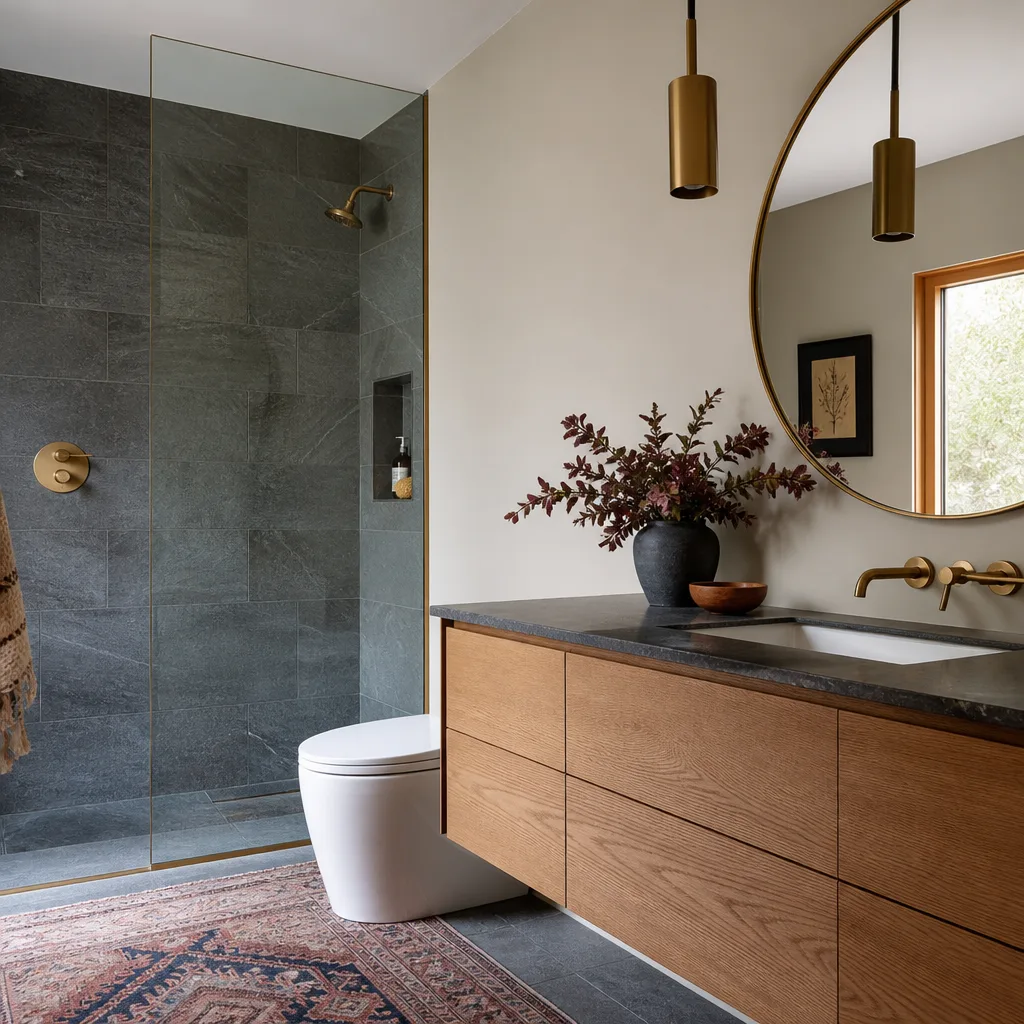
Sacramento ADU costs in 2026 are knowable, not mysterious. The line items are foundation, framing, roofing, electrical, plumbing, HVAC, finishes, permits, design, and utility connections. The variables are your soil, your panel, your finish choices, and whether you stay under 750 square feet. Read every bid as a line-item document. If a contractor hands you a single number with a vague “soft costs” line, ask for the breakdown. If they won’t provide one, you have your answer about who you’re dealing with. Sacramento homeowners who understand their cost structure make better decisions, avoid change order surprises, and end up with an ADU that serves their family or generates rental income for decades. Explore more guides & resources to keep planning with confidence. That’s the whole game.
Written by Miles Hartwell, Owner at Sutton ADU Sacramento, serving Sacramento since 2006.