Plant Prefab Junior ADU Conversion: The Sacramento Owner’s Guide
If your Plant Prefab junior ADU conversion is showing signs of failure, we stock Plant Prefab-compatible conversion kits and components at Sutton ADU Sacramento, and most replacements run $2,400 to $6,800 installed depending on what failed and which Plant Prefab series you have. That’s the honest range, and we’ll give you a written line-item price before we order a single part. Most owners discover the problem the same way: a door that suddenly binds, a wall seam that opens by a quarter inch, or a mini-split that’s running but not cooling the way it did last summer.
The junior ADU conversion is the bridge between your Plant Prefab shell and the mechanical, electrical, and finish systems that make it livable. When that conversion degrades, it’s rarely one catastrophic failure. It’s usually a slow accumulation of small stresses: Sacramento’s dry heat cycles, foundation settling on clay soil, and the expansion-contraction of prefab panel joints that were never designed to sit in triple-digit sun without movement.
Which Plant Prefab Models This Applies To
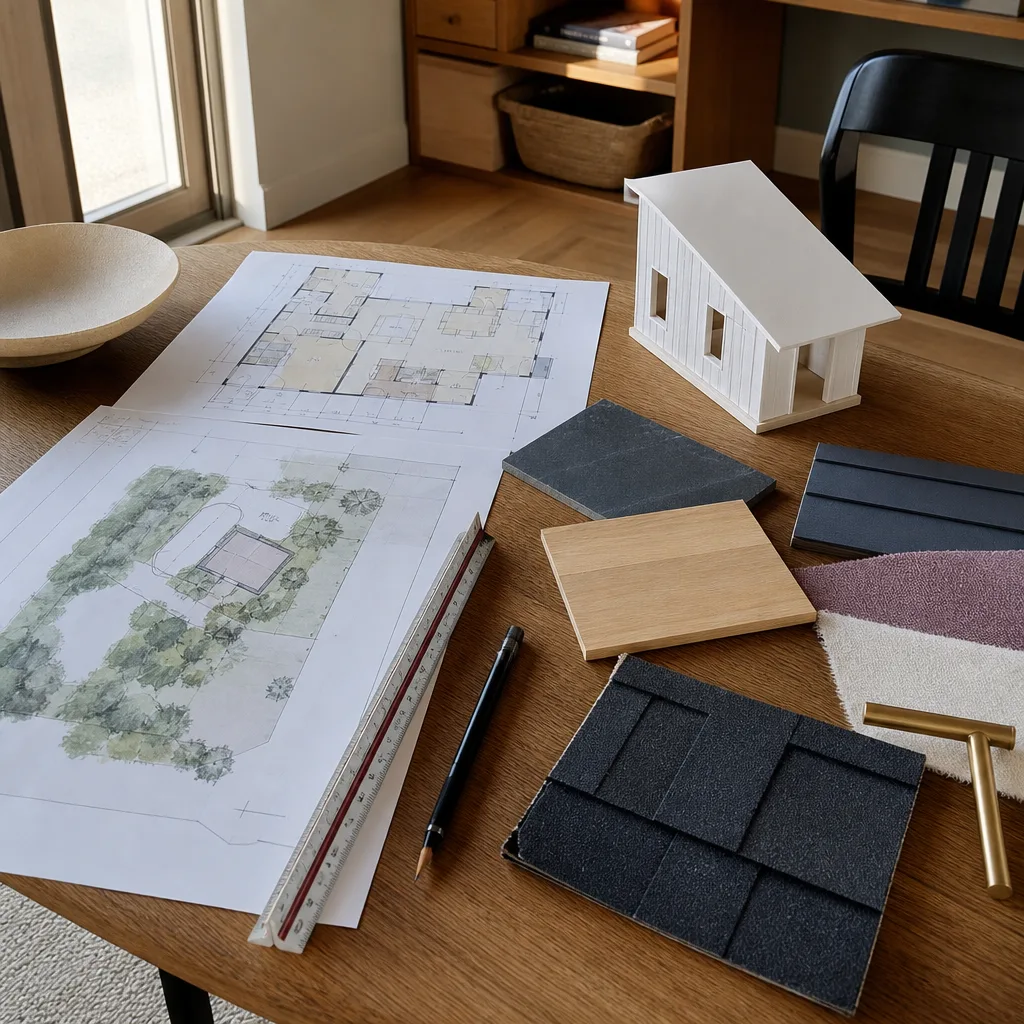
We work on Plant Prefab’s LivingHome series, including the YB1, YB2, and C6 models, which are the most common units we see in Sacramento backyards and side lots. The junior ADU conversion components differ by series: the YB1 uses a lighter-gauge framing clip package at the conversion points, while the C6 runs a heavier structural connector set that matches its larger panel spans. If you’re not sure which series you have, check the compliance plate inside the electrical panel door or on the sill plate near the entry. The series code is stamped right there, usually a two or three character prefix before the serial number.
Here’s the compatibility gotcha we see most often: Plant Prefab’s newer production runs (2022 and later) use a different floor cassette anchor spacing than the pre-2022 units. If you order a conversion kit without checking the year code on that compliance plate, the anchor holes won’t line up and you’ll have to re-drill through the steel channel, which voids the original engineering spec. We match the part to the plate, not to a guess.
On the OEM versus aftermarket question: for structural connectors and the floor cassette anchors, we recommend OEM Plant Prefab parts. The metallurgy and galvanizing spec matches what the engineering drawings call for. For things like weather stripping, door hardware, and mini-split line sets, quality aftermarket equivalents are often better and less expensive than the factory part. We’ll tell you which is which on the estimate, and we don’t mark up parts beyond what our supplier charges us plus a standard handling fee.
We’re an independent service provider. We’re not affiliated with Plant Prefab, but we’ve installed and serviced enough of their units to know what holds up and what doesn’t in Sacramento’s climate. We also work on Abodu, Cover, and Dvele units, so if your neighbor has a different brand, we can usually help both of you on the same trip.
Signs Your Plant Prefab Junior ADU Conversion Is Failing
- Wall seam opening or telegraphing. You see a vertical line or hairline crack running along a panel joint that wasn’t there six months ago. This usually means the structural clips at the conversion point have loosened or the floor cassette has shifted on its anchors. Sacramento’s clay soil expands and contracts enough to walk a prefab unit a few millimeters per year on a poorly compacted pad.
- Entry door binds or won’t latch cleanly. The door was square when the unit was set, and now it drags at the top corner or the deadbolt misses the strike plate. That’s frame racking, and it’s the single most common symptom we see on Plant Prefab junior ADU conversions that are three to five years old. The door is the canary; the structure behind it is the problem.
- Mini-split runs but doesn’t hold temperature. The unit hums, the fan blows, but the room never quite reaches the set point. The line set has likely developed a slow refrigerant leak at a flare fitting, or the condensate drain has sagged and is backing up into the cassette. Sacramento’s heat makes a small charge loss show up fast.
- Floor feels springy or squeaks in one specific area. A localized soft spot near a wall line or under the bathroom usually points to moisture intrusion at a panel seam, not a structural failure. The seam tape or sealant has failed, water has wicked into the subfloor, and the OSB is beginning to delaminate. Caught early, this is a relatively inexpensive fix. Ignored, it’s a floor section replacement.
- Breaker trips intermittently with no obvious overload. If a circuit trips at random without a space heater or hair dryer on it, suspect a loose connection at the conversion panel or a pinched wire inside a wall chase. Prefab wiring chases are tight, and over time thermal cycling can work a wire nut loose. This one deserves a pro’s attention sooner rather than later; loose connections cause heat, and heat causes fires.
Replacement Cost & What’s Included

In Sacramento, a junior ADU conversion component replacement typically lands between $2,400 and $6,800 installed. Here’s how that breaks down:
- Weather stripping, gaskets, and seam resealing: $400 to $1,100. The cheapest fix when caught early, and the one most owners put off too long.
- Door hardware and strike plate alignment after frame racking correction: $600 to $1,400. That includes re-squaring the opening where possible, not just slapping on a new latch.
- Structural clip and anchor replacement at the conversion points: $1,800 to $3,200. This involves lifting or shoring the unit corner to access the clips, which is why it’s at the higher end of labor.
- Floor cassette anchor re-set and subfloor repair: $2,200 to $4,500. The wide range reflects how much subfloor has to come up and whether we’re re-engineering the anchor pattern or just re-torquing existing anchors.
- Mini-split line set replacement with leak test and recharge: $1,400 to $2,800. That’s a full line set, not a recharge only, because a line set that leaked once will leak again unless the flare fittings are redone properly.
Every quote from Sutton ADU Sacramento is a written, line-item price delivered before work begins. No change orders, no “we found something” surprises. The workmanship is covered by our 365-Day Done Right Promise: if the part we installed fails within one calendar year from completion, we make it right at no charge. That includes a free second visit if a repair doesn’t hold.
DIY or Call Us?
There are a few things worth checking yourself before you call. Look at the compliance plate and write down the series code and year. Check whether the wall seam movement changes with the seasons or has gotten progressively worse. If it’s a door bind, see if the gap at the top of the door is wider on one side than the other, then write that down too. That information saves us a diagnostic trip and saves you money.
Anything involving structural anchors, floor cassette work, or refrigerant lines is not a weekend project. A floor unit under tension can shift suddenly if you loosen the wrong anchor, and a refrigerant leak requires EPA certification to handle under California law. The same goes for any electrical chase work: the wire runs in a prefab wall are tight, and a nicked conductor can arc inside the cavity where you can’t see it until it’s too late. If you’re unsure, call us at (279) 300-1690 and we’ll talk you through what you’re looking at before you decide whether we need to come out.
FAQs
In Sacramento’s climate, the structural components of a Plant Prefab junior ADU conversion should last 20 to 30 years with proper installation, but the weather-exposed seals, gaskets, and door hardware typically need attention at the 5 to 7 year mark. Our hot, dry summers bake the flexible materials faster than coastal climates. If you’re at year six and haven’t had the seams inspected, it’s worth a check before the rainy season. Call (279) 300-1690 for an honest assessment.
Yes, in most cases a failing conversion can be repaired at the component level rather than replaced as a whole system. A wall seam that’s opened can be re-clipped and resealed. A racked door opening can often be re-squared without touching the foundation. Full replacement is only necessary when the floor cassette has rotated beyond its engineering tolerance or water damage has compromised the subfloor structure. We’ll show you exactly what’s repairable and what isn’t before you spend a dollar.
Most junior ADU conversion component replacements take one to two working days on site. Weather stripping and hardware swaps are usually done in a single morning. Structural clip and anchor replacements can stretch to two days if we have to shore a corner and let the adhesive cure before re-loading the connection. We give you a written schedule with the quote so there’s no standing around wondering when we’ll finish.
We keep the most common Plant Prefab conversion components on our trucks: seam gaskets, weather stripping, door hardware kits, anchor bolts, and the structural clip packages for YB1 and YB2 series units. More specialized parts, like a C6 floor cassette anchor set or a custom line set length, typically ship to our Sacramento shop within three to five business days. When you call us at (279) 300-1690, we’ll tell you right then whether the part is local or needs to be ordered.
If your Plant Prefab junior ADU conversion is showing any of the signs above, don’t wait for a small seam to become a structural problem. Call Sutton ADU Sacramento at (279) 300-1690. We’ll give you a written price before we start, and you’ll know exactly who’s coming to your door before they arrive. That’s the Sutton way, and Miles Hartwell stands behind every job with the 365-Day Done Right Promise. If we wouldn’t build it that way on our own lot, we’re not going to build it that way on yours.
Written by Miles Hartwell, Owner, Sutton ADU Sacramento at Sutton ADU Sacramento, serving Sacramento and nearby areas.