Cover Site Prep & Utilities: The Sacramento Owner’s Guide
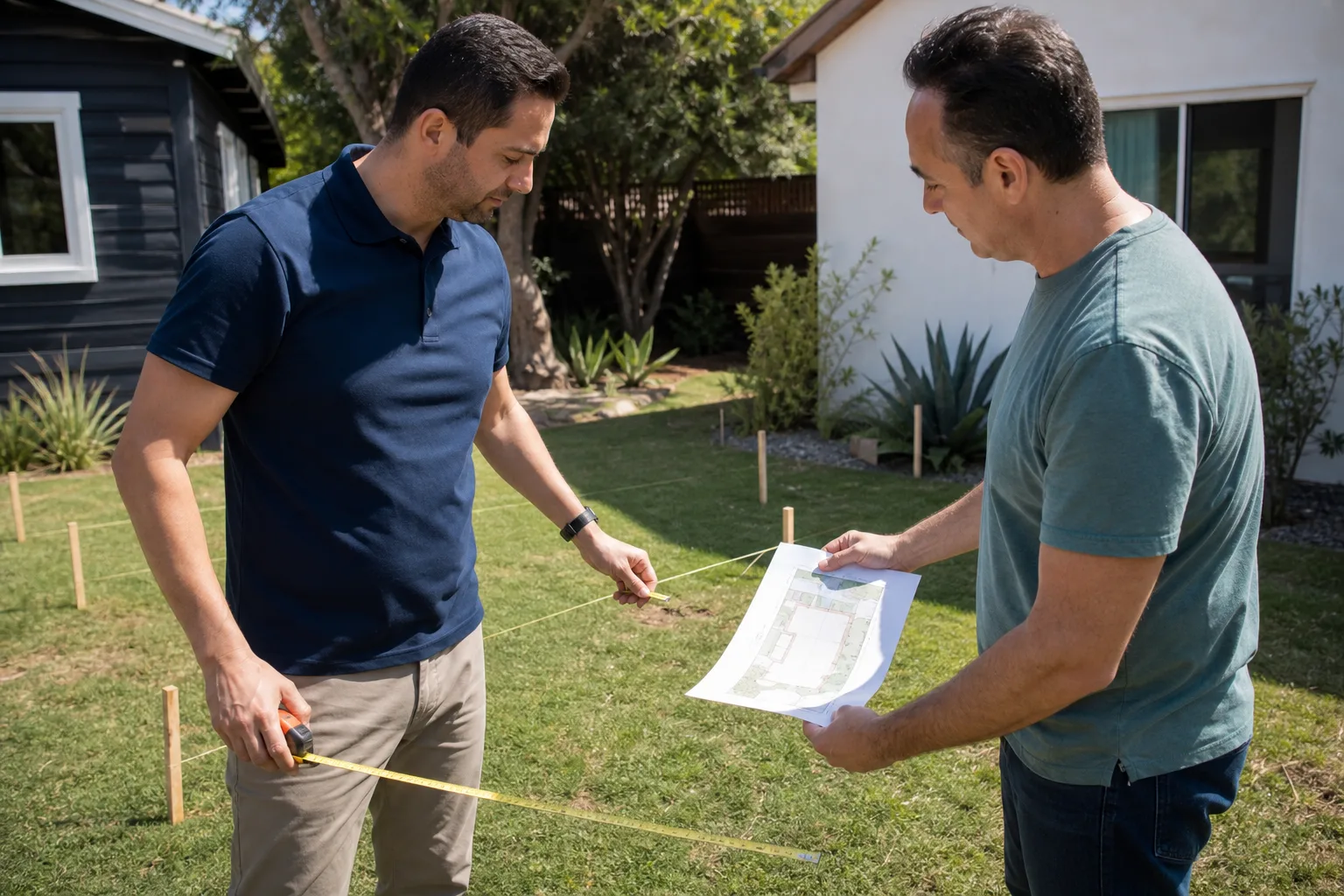
Site prep and utilities work for a Cover unit in Sacramento typically runs $28,000 – $65,000 installed, depending on your lot’s access, existing utility distances, and soil conditions. We stock and install Cover-compatible foundation, trenching, and connection components, and most utility stubs can be completed in one to two working days once Sacramento permits clear. You usually discover a problem here the hard way: a failed cover inspection, a slow-draining sewer stub, or an electrical conduit that wasn’t buried deep enough and got damaged during the wet season. If your Cover unit is sitting on a lot and the prep work has stalled or failed, this page explains exactly what’s wrong and what it costs to fix in Sacramento’s specific conditions.
Which Cover Models This Applies To
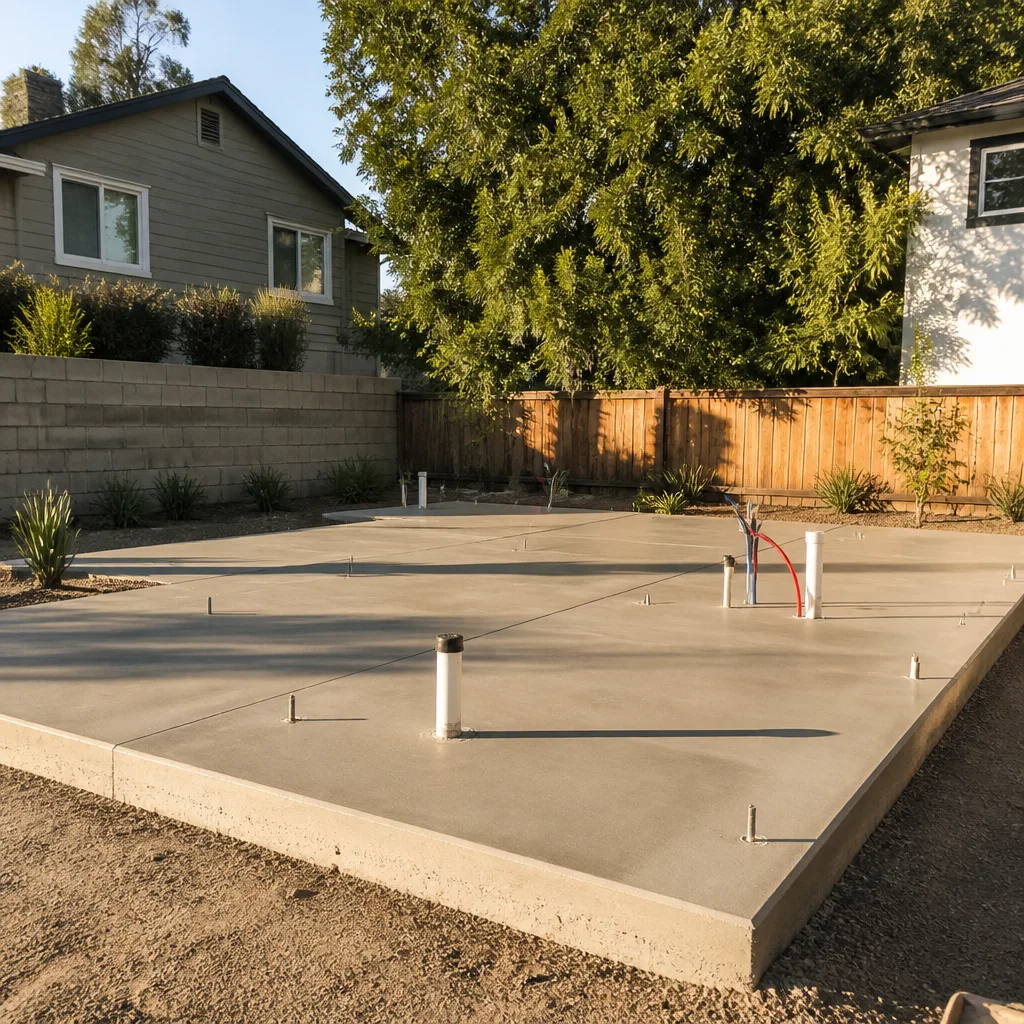
This guide applies to all current and prior-generation Cover floor plans, including the Studio, One-Bedroom, and Two-Bedroom Backyard Home models. Cover units ship as factory-built modules that sit on a prepared foundation system, so the site prep and utility stubs are the homeowner-side scope that must be complete before the module ever arrives. The critical thing to know: Cover’s foundation anchors and utility entry points are factory-specified, which means the trench depths, conduit stub heights, and sewer invert elevations must match the exact shop drawings for your unit’s model and year. A 2022 Cover One-Bedroom has different stub locations than a 2024 cover unit on the same lot. We pull the manufacturer’s submittal drawings for every project before we dig, because guessing at a sewer invert on a Cover unit is a $4,000 mistake that requires re-excavation.
On the OEM-versus-aftermarket question: there is no cover-manufactured pipe, conduit, or aggregate. The “OEM” concern applies only to the anchor bolt and embedded strap kits that ship with the unit itself. Everything below grade is commodity material, and the quality difference comes from what your contractor specs: Schedule 40 versus thin-wall conduit, compacted crushed rock versus native fill, and gravel-over-perforated-pipe drainage versus none. We stock standard Cover-compatible anchor template plates and shim kits on our trucks for Sacramento installs. We are an independent Sacramento contractor and are not affiliated with Cover, but we’ve completed enough of these prep scopes to know exactly how the module expects to meet the ground.
Signs Your Cover Site Prep & Utilities Is Failing
- Standing water around the pad perimeter after rain. Sacramento’s clay-heavy soil drains slowly, and if the foundation pad wasn’t graded with a 5% minimum slope away from the unit, water ponds and eventually migrates under the slab. We see this most in Oak Park and Land Park, where older lots were never re-graded for accessory structures.
- Sewer cleanout backing up or gurgling in the main house. Your Cover unit’s sewer lateral ties into the existing house line, and if the tie-in was made with an improper grade (less than 2% fall), solids settle and the line will block. This is also common when the original contractor didn’t account for Sacramento’s deep-rooted street trees sending roots into the new joint.
- Electrical conduit exposed or pulling up out of the ground. Conduit must be buried 18 inches minimum to top of pipe. When installers rush and don’t compact the trench in lifts, the fill settles and the conduit works its way to the surface. We’ve repaired this exact failure near the American River Parkway lots where sandy soil accelerates settlement.
- Foundation pad cracking at the anchor points within the first year. This points to insufficient compaction or the wrong aggregate base under the slab. Cover modules concentrate load at discrete anchor positions, so a crack radiating from a bolt isn’t cosmetic, it means the subgrade wasn’t prepared to handle point loads in Sacramento’s expansive clay.
- Water pressure in the ADU is noticeably weaker than the main house. Utility stubs that weren’t sized for distance, or undersized supply lines tapped from a distant hose bib instead of the main meter, starve the Cover unit when both dwellings are running water. You’ll feel it most in the shower when the washing machine kicks on.
Replacement Cost & What’s Included
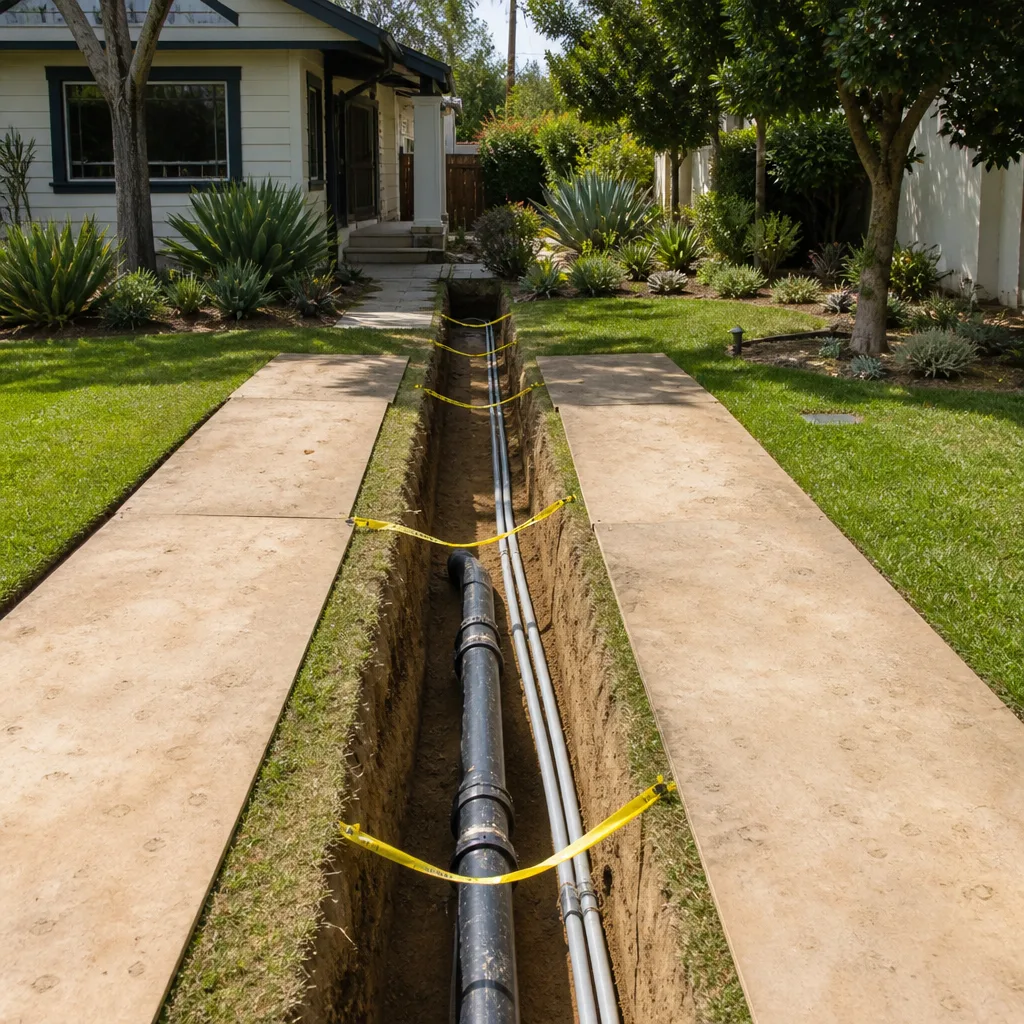
Here’s what site prep and utility correction actually costs in Sacramento, line by line, so you can price-check before you call anyone.
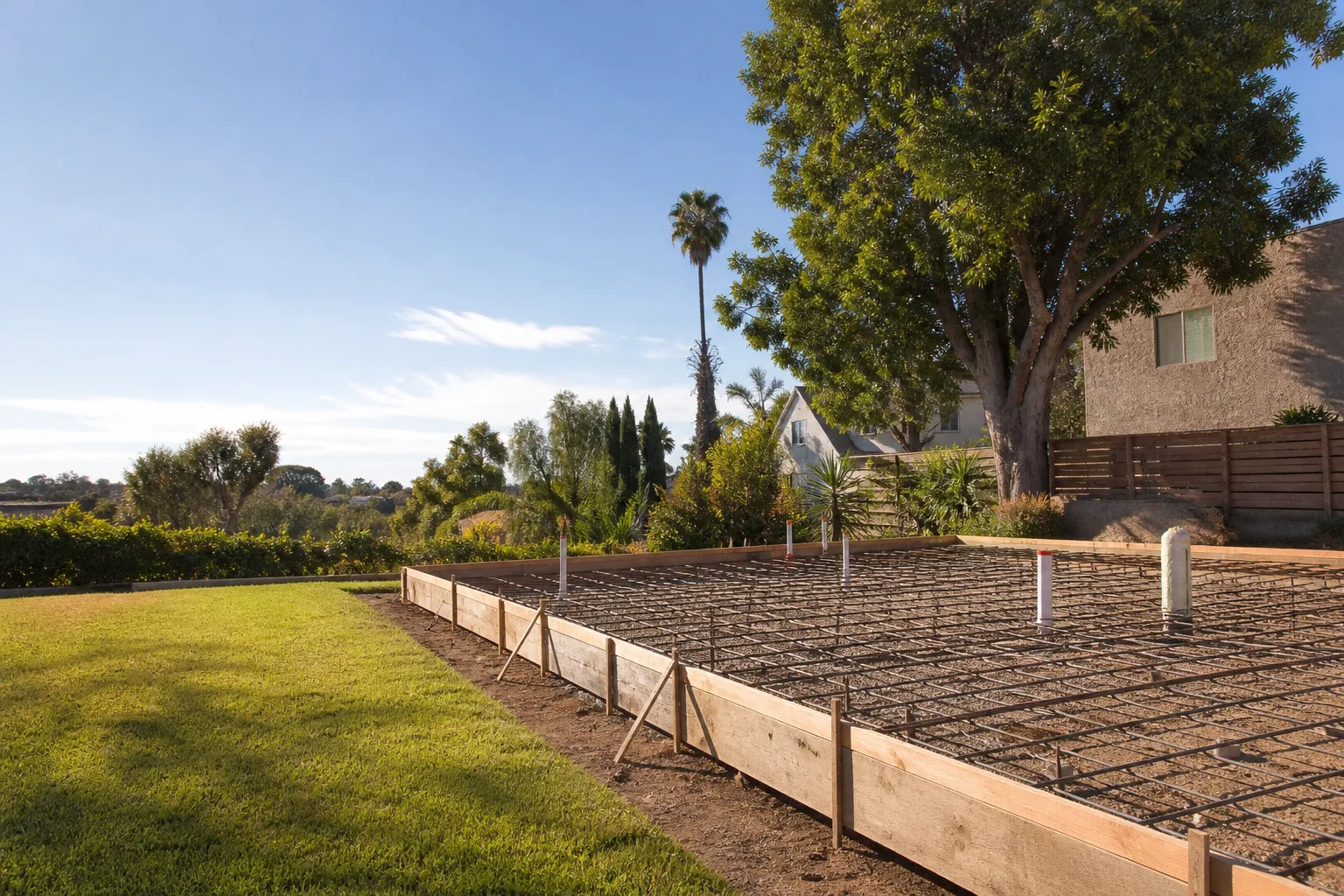
- Full site prep with new foundation pad: $22,000 – $38,000 depending on access, pad size, and whether we’re excavating virgin soil or removing a failed pad.
- Utility stubs (sewer lateral, water line, electrical conduit) from existing house to ADU: $6,000 – $14,000 depending on distance, obstructions, and trench depth.
- Drainage and grading correction around an existing pad: $2,800 – $6,500 depending on whether we’re adding surface drains, French drains, or both.
- Re-anchoring a Cover unit after a foundation repair: $3,500 – $7,000 including the shim and anchor hardware.
Every quote is a written, line-item price before we put a shovel in the ground. That’s the Threshold Standard, and it’s not negotiable. If the scope changes because we uncover something no one could have seen, we stop and bring you a written change order before spending another dollar. And every bit of this work carries the 365-Day Done Right Promise: if something we built fails within a year, we come back and make it right. No haggling.
DIY or Call Us?
There are things you can check safely, and there are things that can hurt you. You can inspect your pad for puddling, check that conduit stays are still tight, and run water in the Cover unit to see if pressure drops when the house is using water. That’s diagnostic; it’s safe, and it’s useful information for any contractor you talk to. But this is not a DIY repair scope. Trenching to 18 inches or deeper without a Sacramento utility locate (call 811, it’s free and takes two business days) can put you into a gas line or a buried electrical feeder. A wrong sewer grade is invisible until it isn’t, and then it’s a health hazard. Miles Hartwell has watched a homeowner hit a PG&E line with a rented trencher, and it’s the kind of mistake that costs more than the entire site prep budget. If your prep has failed or your inspections are flagged, call us at (279) 300-1690 and we’ll give you an honest read on what’s wrong and what it costs to fix.
FAQs
A properly compacted foundation pad with correct drainage should last 30-plus years in Sacramento’s climate. The utility stubs (conduit, water, sewer) should match the life of the house plumbing. What fails early is almost always installation quality: uncompacted fill, buried conduit that’s too shallow, sewer lines with less than 2% grade. Those failures show up in the first wet season. If your prep work was installed correctly, you should expect decades of service. Call (279) 300-1690 if you’re seeing issues and want a straight assessment.
It depends on what failed. Drainage and grading problems are usually repairable without removing the Cover unit. Sewer grade issues and conduit that’s too shallow typically require re-trenching, which is disruptive but doesn’t touch the module itself. A cracked foundation pad under the anchors is the worst case; that’s a full pad replacement, which means the Cover unit gets lifted, the old slab comes out, and we start over. We’ll always tell you if repair is viable before we quote replacement. Every assessment starts with a free site visit.
Most drainage and utility corrections take two to four working days. A full foundation pad replacement is a one-to-two-week project including demolition, re-excavation, compaction, and new concrete. The wild card in Sacramento is permitting; some over-the-counter permits clear in days, while anything requiring plan check at the county can add two to three weeks. We pull all permits and handle every inspection, so you’re not chasing the city. Call (279) 300-1690 and we’ll tell you what your specific scope will take after we see the lot.
Yes. We keep Cover-compatible anchor template plates, shim kits, and the standard conduit and plumbing stub materials on our trucks. We don’t use Cover’s factory anchor bolts (those ship with your unit), but everything else is standard spec and locally available through our Sacramento suppliers. If your unit is older and the anchor template is missing, we can match it from the shop drawings. For Abodu and Dvele units we maintain the same level of compatibility. If you need a specific part matched before we even arrive, call (279) 300-1690 and our office will confirm what’s on the truck before your visit.
Written by Miles Hartwell, Owner, Sutton ADU Sacramento at Sutton ADU Sacramento, serving Sacramento and nearby areas.